How to Start a Vegetable Garden in Eastern/Coastal South Carolina (Zone 8b Guide)
Starting a vegetable garden in Eastern/Coastal South Carolina (Zone 8b) can feel overwhelming at first. Between humidity, heat, sandy soil, and confusing planting dates, it’s easy to wonder where to begin.
The good news? Our long growing season in Zone 8b gives us incredible opportunity — if you understand how to work with our climate instead of against it.
This guide will walk you through when to plant, what grows best here, and how to set up your garden for success in the Pee Dee region.
Before you start planting, be sure to download my free Zone 8b South Carolina Planting Calendar so you know exactly what to plant and when.
When to Plant Vegetables in Eastern/Coastal South Carolina
Timing is one of the biggest reasons gardens succeed or fail here.
In Eastern South Carolina (Zone 8b), our average:
- Last frost date: Mid-March (March 20th in 2026)
- First frost date: Late November (November 10th in 2026)
That gives us a long growing season — but it also means summer heat arrives quickly.
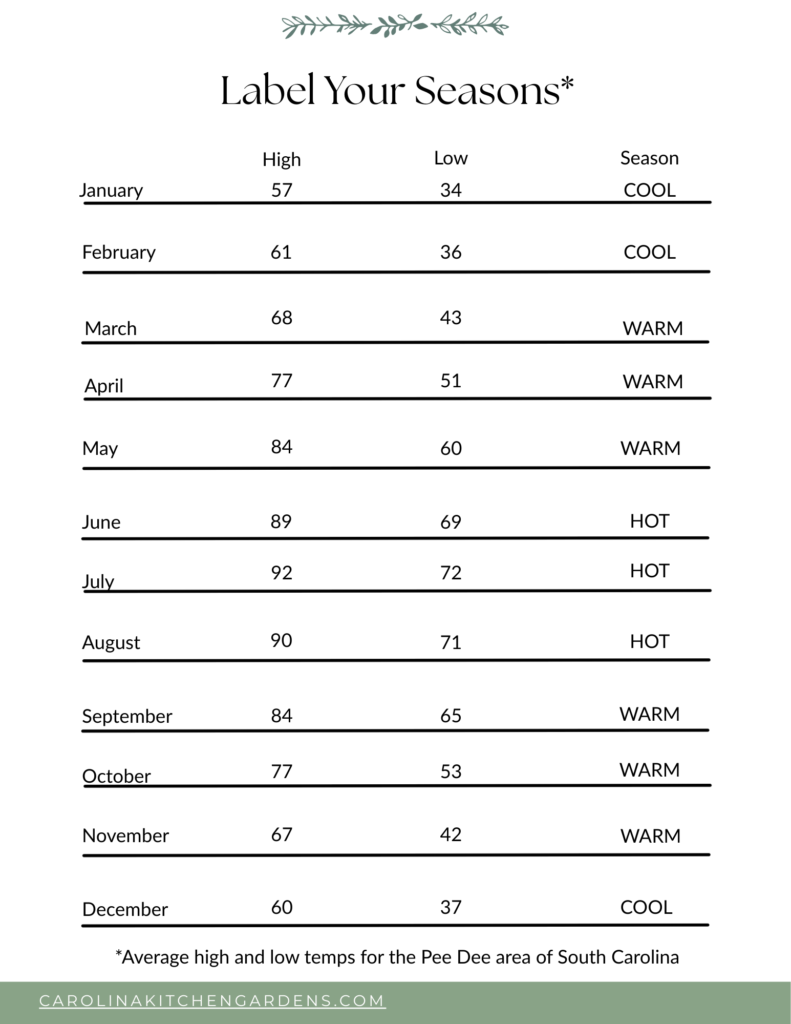
There are two main planting seasons:
Cool Season (February–April & September–November)
These crops thrive in milder temperatures:
- Lettuce
- Carrots
- Broccoli
- Cabbage
- Collards
- Spinach
Many beginners don’t realize that fall gardening in South Carolina is often easier and more productive than summer.
Warm Season (April–June)
These crops love the heat:
- Tomatoes
- Peppers
- Cucumbers
- Squash
- Okra
- Sweet potatoes
Plant too early and frost will damage them. Plant too late and summer stress limits production.
The key is planting at the right time for our specific region — not following generic national advice.
What Grows Best in South Carolina’s Zone 8b?
Not every vegetable thrives in South Carolina’s humidity. Can you imagine having to stay planted in the ground all day everyday in the heat and scorching sun?
The most reliable performers in Eastern SC include:
Spring & Summer Favorites
- Tomatoes (disease-resistant varieties do best)
- Peppers
- Okra
- Cucumbers
- Sweet potatoes
- Southern peas
Fall & Winter Winners
- Collard greens
- Mustard greens
- Broccoli
- Cauliflower
- Cabbage
- Carrots
Crops that typically struggle in peak summer:
- Spinach
- Cilantro
- Traditional head lettuce
- English peas
Choosing crops suited to heat and humidity dramatically increases your chances of success.
Raised Beds vs In-Ground Gardens in South Carolina Soil
Eastern South Carolina soil can vary from sandy and fast-draining to compacted clay, depending on your property.
Raised Beds Are Great for Beginners Because:
- You control the soil quality
- Drainage improves
- Fewer weeds
- Easier maintenance
- Faster spring warm-up
In-Ground Gardens Work Well If:
- You have good native soil
- You’re planting large crops (like sweet potatoes or corn)
- You’re gardening on a larger scale
For many beginners, raised beds reduce frustration and create more predictable results.
Why Gardens Struggle in July in South Carolina
If your garden slows down in July, you are not failing. Say it again. YOU ARE NOT FAILING.
Summer in Eastern SC brings:
- 90°+ temperatures
- High humidity
- Intense sun exposure
- Increased pest pressure
- Fungal disease risk
Tomatoes may stop setting fruit. Lettuce bolts. Squash gets mildew.
This is normal.
Success in South Carolina gardening isn’t about pushing through summer at full production — it’s about planning around the heat and preparing for a strong fall garden.
Understanding this alone relieves so much frustration for beginners.
How Much Sun & Water Do You Really Need?
Most vegetables need:
- 6–8 hours of direct sunlight daily
- Consistent deep watering
Morning sun is ideal. Afternoon shade can actually help during peak summer heat.
As for watering:
- Spring & fall: About 1 inch per week
- Summer: 2+ inches per week depending on rainfall
Deep, consistent watering is far better than shallow daily watering.
Drip irrigation systems can make a dramatic difference in plant health and disease prevention.
Want a Personalized Garden Plan?
Every yard is different. Sun exposure, soil type, and layout all impact what will grow well.
If you live in Florence, Sumter, Manning, Lake City, Hartsville or Camden, South Carolina, I offer in-person garden consultations to help you:
- Design a layout for your space
- Choose the right crops for our climate
- Improve soil health
- Create a clear 90-day planting plan
If you’re new to gardening — or trying to improve what you already have — I’d love to help you build a garden plan that works here in Eastern South Carolina.
Common FAQs of Gardening in South Carolina
When should I start a vegetable garden in South Carolina?
In most of Eastern South Carolina (Zone 8b), the average last frost date is around mid-March, which means many warm-season vegetables can be planted in April and May. Cool-season crops like lettuce, broccoli, carrots, and cabbage can often be planted much earlier, sometimes starting in February.
Because our growing season is long, gardeners in South Carolina also have a great opportunity to plant a fall vegetable garden beginning in late summer for harvest through fall and early winter.
What vegetables grow best in South Carolina?
Many vegetables thrive in South Carolina’s warm climate and long growing season. Some of the most reliable crops include:
- Tomatoes
- Peppers
- Cucumbers
- Okra
- Sweet potatoes
- Southern peas
- Collard greens
- Mustard greens
Choosing heat-tolerant varieties and planting at the correct time makes a big difference in overall success.
Is South Carolina a good place to grow a vegetable garden?
Yes. South Carolina’s long growing season and mild winters make it an excellent place to grow vegetables. Gardeners can often grow crops in both spring and fall, and some cool-season crops can even continue producing through parts of winter.
The biggest challenges in this region are summer heat, humidity, and pest pressure, but with proper planning these can be managed successfully.
Is it better to use raised beds in South Carolina?
Raised beds are often a great choice for gardeners in South Carolina because they allow you to control soil quality and improve drainage. Many areas of the state have sandy or compacted soil that can make growing vegetables more difficult.
Raised beds also warm up faster in the spring, reduce weeds, and make garden maintenance easier for beginners.
How much sunlight does a vegetable garden need?
Most vegetables need at least 6–8 hours of direct sunlight per day to grow and produce well. Tomatoes, peppers, cucumbers, and squash all perform best in full sun.
If your garden receives some afternoon shade, it can actually help protect plants during the hottest part of the summer in South Carolina.
When is the last frost date in Eastern South Carolina?
In most parts of Eastern South Carolina, including the Pee Dee region around Florence, Sumter, and Manning the average last frost date is around March 15. This means warm-season vegetables like tomatoes, peppers, cucumbers, and squash are usually safe to plant outdoors in late March or early April.
However, weather can vary slightly from year to year, so many gardeners wait until early April to transplant tender plants to avoid unexpected cold snaps.
When should I plant tomatoes in South Carolina Zone 8b?
Tomatoes are typically planted in late March through April in South Carolina’s Zone 8b. Seedlings should be transplanted outdoors after the danger of frost has passed and nighttime temperatures consistently stay above 50°F.
Because summers become very hot and humid, many gardeners aim to get tomatoes established early in spring so plants can produce heavily before extreme summer heat slows production
Why do tomato plants stop producing fruit in South Carolina summers?
Tomatoes are a warm season crop that performs best when temperatures are between 65-84 degrees, which is usually April, May and early June in our area. When we enter the hot season in late June, July and August, tomato plants often slow or stop producing fruit when daytime temperatures regularly exceed 90°F and nighttime temperatures remain above 75°F. These conditions are common during July and August in South Carolina.
High heat can interfere with pollination and cause flowers to drop before fruit forms. Production often improves again in early fall when temperatures begin to cool.
How often should I water a vegetable garden in South Carolina?
Vegetable gardens typically need about 1 inch of water per week in spring and fall, but during the hot summer months they may require 2 inches or more per week depending on rainfall.
Deep, consistent watering is much better than shallow daily watering. Drip irrigation systems or soaker hoses are especially helpful for maintaining steady soil moisture.
Why do vegetable gardens struggle in the summer in South Carolina?
Summer temperatures in South Carolina often reach 90°F or higher, combined with high humidity. These conditions can stress many plants and slow down production.
Common summer challenges include:
- Heat stress
- Increased pests
- Fungal diseases
- Plants stopping fruit production
This is normal, and many gardeners shift their focus toward preparing for a strong fall garden once the hottest months pass.
What vegetables grow year round in South Carolina?
While not every crop grows year-round, South Carolina gardeners can grow vegetables for most of the year. Cool-season crops like collards, kale, carrots, and lettuce can grow during fall, winter, and early spring.
With good planning, many gardeners harvest vegetables from early spring through late fall.
What soil works best for vegetable gardening in South Carolina?
Vegetables grow best in loose, well-draining soil rich in organic matter. Many gardeners improve their soil by adding compost, aged manure, or other organic materials.
If your native soil is sandy or compacted like clay, raised beds filled with high-quality garden soil can provide a more reliable growing environment.
What is the easiest vegetable for beginners to grow in South Carolina?
Several vegetables are especially beginner-friendly in this region. Some of the easiest include:
- Cherry tomatoes
- Cucumbers
- Okra
- Bush beans
- Collard greens
These crops tend to grow well in South Carolina’s climate and can produce quickly, which helps build confidence for new gardeners.
What vegetables grow well in the Pee Dee region of South Carolina?
The Pee Dee region’s warm climate and long growing season support many productive crops. Vegetables that grow especially well in this area include:
- Tomatoes
- Peppers
- Okra
- Sweet potatoes
- Cucumbers
- Collard greens
- Southern peas
These crops tend to tolerate the region’s heat, humidity, and long summers better than many cool-weather vegetables.
Can you grown a fall vegetable garden in South Carolina?
Absolutely! IN fact, fall gardening is one of the best opportunities for vegetable gardeners in South Carolina. As summer heat begins to fade in late August and September, gardeners can plant cool-season crops such as:
- Broccoli
- Cabbage
- Carrots
- Lettuce
- Collards
- Spinach
Because winters are relatively mild, many fall crops can continue producing into late fall or even early winter.